Hero fallback

BAGRI
FAMILY

Private Philanthropy

Personal giving in partnership with people and organisations whose ideasand dedication create meaningful impact

The Bagri Family

The Bagri family's private philanthropy is individual giving, reflecting a deep commitment to the people, institutions and causes we support. Guided by curiosity and our belief in excellence, we approach philanthropy with passion, personal engagement and a long-term perspective.

The family's wider philanthropic work also includes support through the Bagri Foundation.

Bagri Family
APURV BAGRI
APURV BAGRI

The Hon Apurv Bagri is President and CEO of the Metdist Group of Companies, a multigenerational family business with global interests across industry, finance, technology, hospitality, retail and digital media.

In addition to his business leadership, Apurv has held senior governance and advisory roles across major institutions, including Hong Kong Exchanges and Clearing, London Business School, Bayes Business School and City, University of London.

His philanthropy focuses on education, healthcare, culture, the arts and environmental projects. He is a Trustee of the Bagri Foundation, which supports high quality programmes across education, relief, healthcare, and traditional and contemporary Asian culture. Through his giving, Apurv supports initiatives that create access, encourage exchange and strengthen cultural understanding.

In 2025, Apurv was awarded an Honorary OBE by His Majesty the King for services to education.

ALKA BAGRI
ALKA BAGRI

Art historian and cultural patron Dr Alka Bagri champions traditional and contemporary Asian arts through her leadership as trustee of the Bagri Foundation. With a DPhil from Oxford in Indian Miniature Painting and an MA from SOAS in Indian Art and Philosophy, she brings deep academic expertise to the Bagri Foundation.

Since she has led the Foundation's board, the Bagri Foundation has fostered partnerships with leading cultural institutions including London's V&A, National Theatre, Royal Albert Hall, Barbican Centre, and Sadler's Wells, as well as the Rijksmuseum in Amsterdam and Quai Branly in Paris. Her interests span visual arts, craftsmanship, oral traditions, world cinema, and performing arts - driving the foundation's mission to cultivate cultural dialogue and build learning and empathy among wide audiences.

ADITI BAGRI
ADITI BAGRI

Aditi Bagri is a third-generation member of the Bagri family and plays an active role in shaping Metdist's global strategy, executive leadership, and portfolio performance across its international businesses. She is also the Founder of Metdist Capital, an investment platform focused on identifying and supporting future-facing businesses and innovative ventures.

With experience spanning digital, hospitality, construction and real estate, Aditi brings a multidisciplinary and entrepreneurial perspective to her work, with a strong focus on innovation, community building, and long-term value creation. She is particularly passionate about fostering meaningful collaborations and supporting initiatives that combine commercial growth with cultural and social relevance.

Aditi is a Board Member of YPO Emirates, where she actively champions Diversity and Inclusion initiatives, leadership development, and community engagement across the region.

She also serves as a Trustee of the Bagri Foundation, supporting initiatives that champion arts, culture and wider social impact.

AMISHA BAGRI
AMISHA BAGRI

Amisha Bagri is a third-generation member of the Bagri family. She is Senior Vice President of Metdist Enterprises Ltd and Founder of Metdist Capital, an investment vehicle focused on high-impact, tech-enabled businesses. Amisha works with exceptional founders and teams to scale businesses and advance innovation, with a particular interest in healthcare and education.

Amisha also serves as a Trustee of the Bagri Foundation and the National Society for Phenylketonuria (NSPKU). Her philanthropy is shaped by the same values that guide her wider work: curiosity, partnership, excellence and a belief in meaningful progress. As a rare disease advocate, she is especially committed to research and initiatives that improve patient care and outcomes.

Amisha is an alum of UCL (MSc Management) and LSE (BSc Hons International Relations.) During her studies, she was recognised as an academic scholar and won prizes over multiple years.

Initiatives fallback

Initiatives

Rooted in the family's philanthropic interests, these projects and partnerships reflect meaningful commitment to work of lasting social, cultural and educational value.


Initiatives
Healthcare

Healthcare

A key area of philanthropic focus is supporting research into rare diseases. We support work that brings greater attention, investment and scientific focus to conditions with significant unmet needs.

Why Rare Diseases Matter

Rare diseases are individually uncommon, but collectively they affect 300 million people worldwide.


95% of known diseases

of known diseases

have no approved
treatment

1 in 17 people

1 in 17

people are affected by rare
conditions in their lifetime

10,000 unique disorders

1 in 17

unique disorders are caused
by single gene defects

Making A Difference

DHPR Study

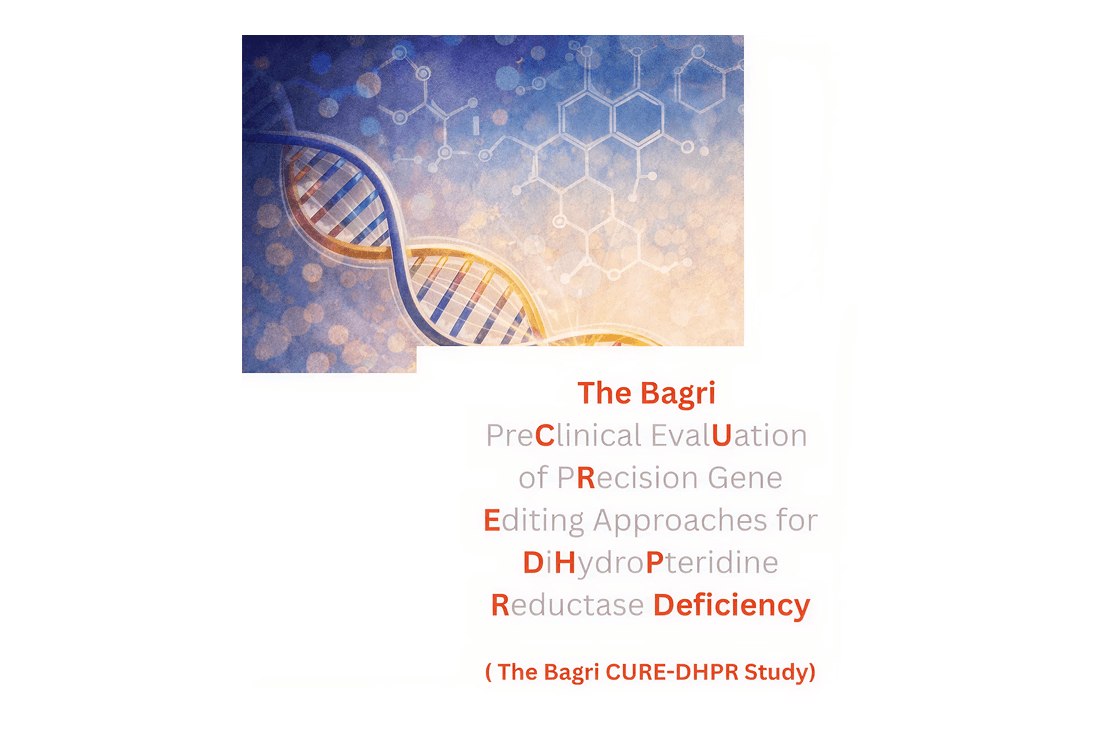
The Bagri CURE-DHPR Study is a research programme, supported by the Bagri family in partnership, with University College London (UCL). It aims to advance scientific understanding of Dihydropteridine Reductase Deficiency, known as DHPR deficiency, and build the evidence base needed to explore possible future treatments.

DHPR deficiency is an ultra-rare inherited neurometabolic condition caused by changes to the QDPR gene. It affects both neurological and metabolic pathways, including phenylalanine metabolism and the production of key neurotransmitters. It is a serious condition and can have significant consequences for development, movement, behaviour and long-term health.

You can read more about DHPR Deficiency here.

quotequote

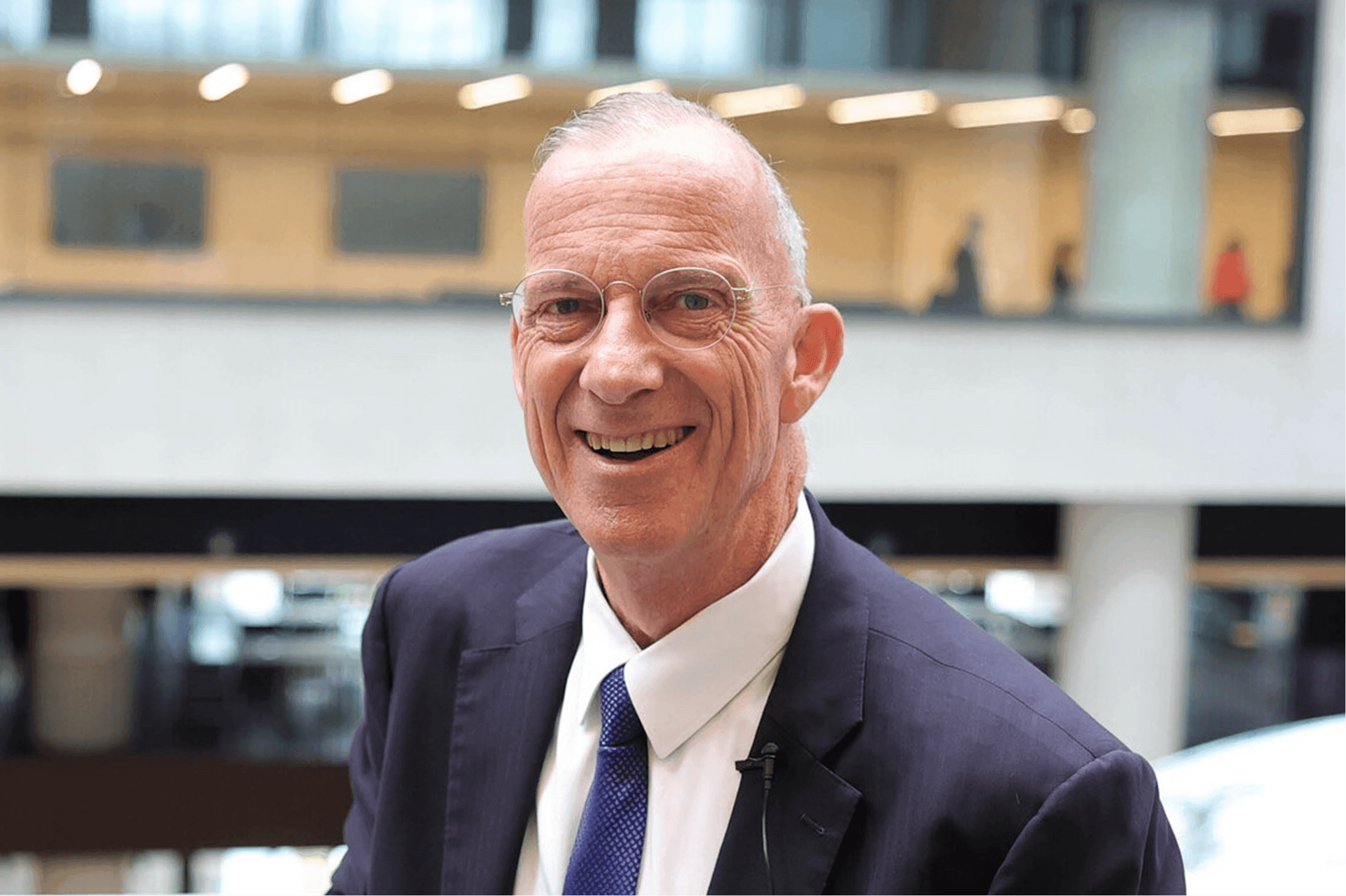
Together, UCL and the Bagri family are building the science behind what would be the first disease-altering treatment for a condition which affects people at the earliest stage of life.

Dr Michael Spence (UCL President & Provost)

quotequote
Researchers

Current treatment involves a restrictive lifelong low-protein diet, protein supplementation and multiple medications.

Even with intensive management, long-term developmental outcomes can remain suboptimal. There is currently no treatment that addresses the underlying cause of DHPR deficiency.

The Bagri CURE-DHPR Study aims to help provide the basis for future treatments that do.

Lab Research

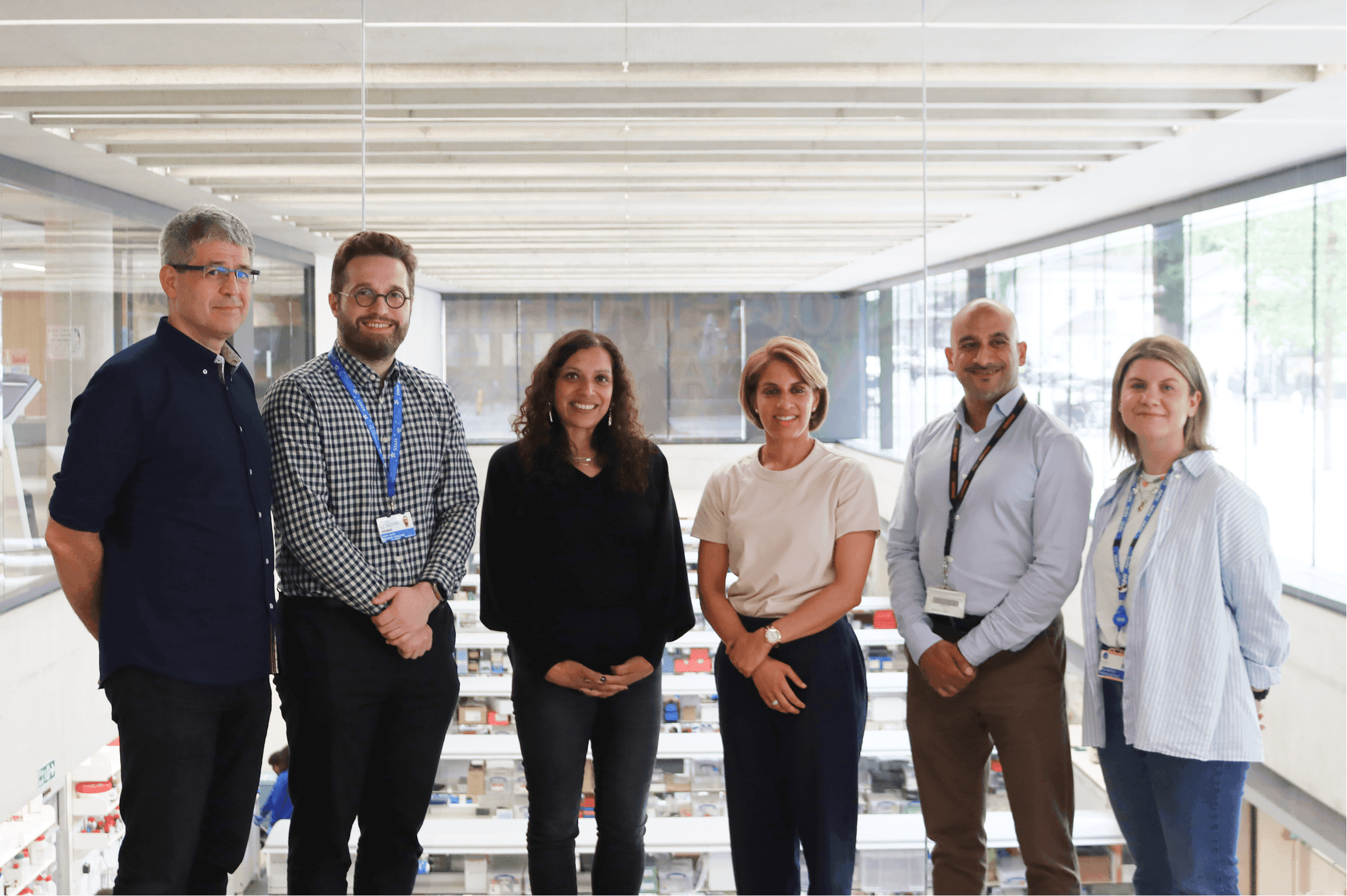
The Research Team

The Bagri CURE-DHPR Study is delivered within the joint research and clinical infrastructure of UCL, including the Great Ormond Street Institute of Child Health and the UCL School of Pharmacy.

The research programme will be led by principal investigator Professor Manju Kurian, an internationally recognised clinician scientist in paediatric movement disorders and neurometabolic disease.

The wider research team brings expertise in inherited metabolic disease, gene therapy, genome engineering, molecular neurobiology, disease modelling, molecular genetics and stem cell-based research.

Together, they will develop laboratory models of DHPR deficiency to test whether precise gene editing approaches can correct the underlying gene changes. The aim is to build the preclinical evidence needed to explore possible future treatments.

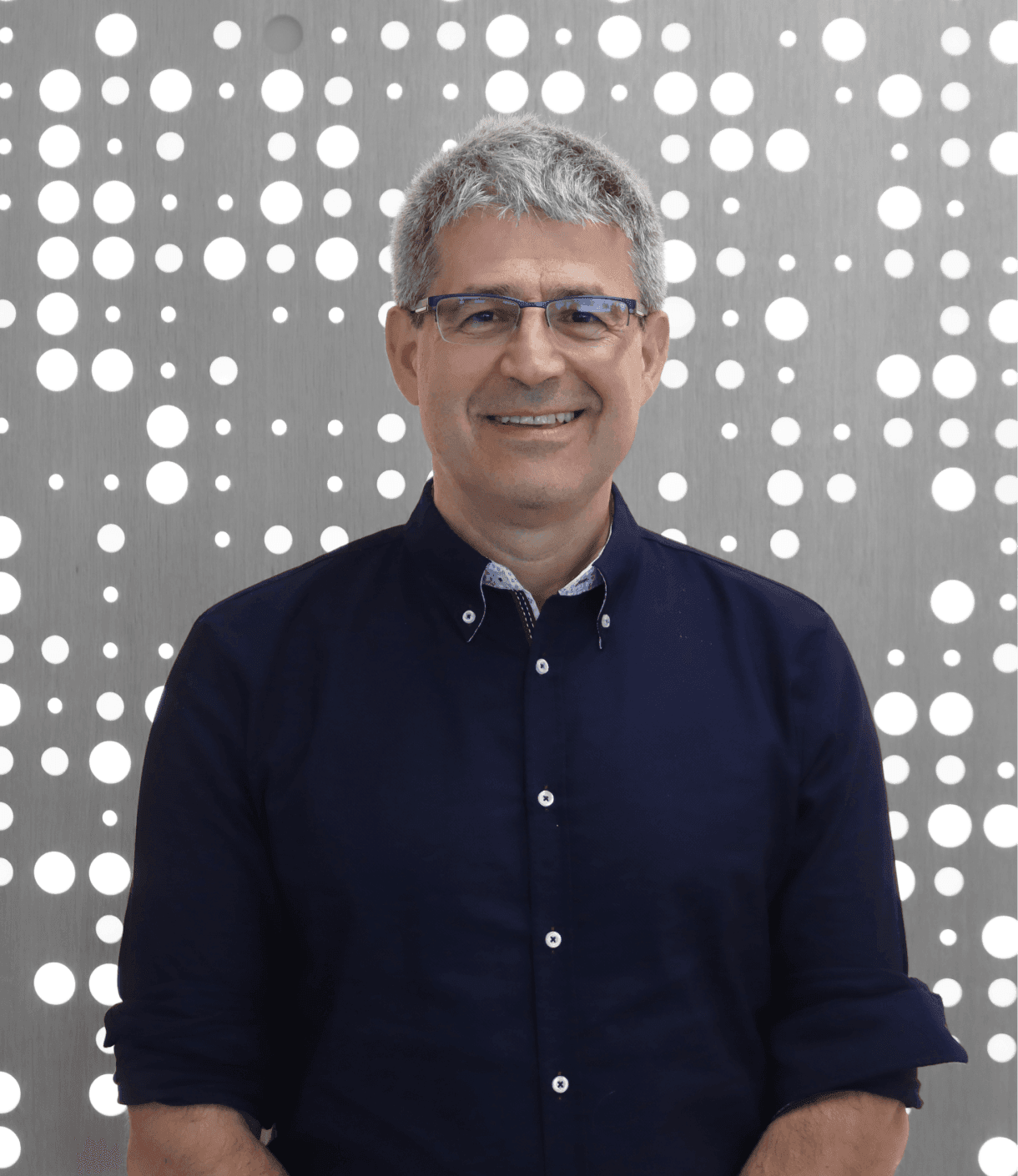
MANJU KURIAN

MANJU KURIAN

Professor

Professor Manju Kurian is a Professor of Neurogenetics at UCL Great Ormond Street Institute of Child Health and a Consultant Paediatric Neurologist at Great Ormond Street Hospital, London, and serves as Principal Investigator for this programme.

After graduating in medicine from the University of Cambridge, she trained in Paediatrics before subspecialising in Paediatric Neurology. She later completed a PhD at the University of Birmingham (2007-2011), investigating the molecular genetic basis of childhood neurological disorders. She is now an academic clinician and principal investigator at the Institute of Child Health.

Professor Kurian has received numerous awards, including a Wellcome Trust Intermediate Fellowship (2012-2017), the L'Oréal For Women in Science Award, an NIHR Professorship (2017-2022), the ICNA Jon Stobo Award, the Jules Thorn Award for Biomedical Research and the Anita Harding Award. Her grant income exceeds £15 million and she has authored more than 230 peer-reviewed publications, including papers in Nature Genetics, Nature Communications, Science, Science Translational Medicine and Lancet Neurology

Her research focuses on gene discovery in childhood neurological disorders, particularly movement and neurotransmitter disorders. Using cell models to investigate disease mechanisms, she works closely with UCL Gene Therapy groups to develop novel therapeutic strategies for children with pharmacoresistant neurotransmitter and other genetic movement disorders. Her long-term goal is to translate this research into improved diagnosis and precision medicine approaches for patients.

PAUL GISSEN

PAUL GISSEN

Professor

Paul Gissen is Clinical Professor of Paediatric Metabolic Medicine at the UCL Great Ormond Street Institute of Child Health and Honorary Consultant in Paediatric Metabolic Diseases at Great Ormond Street Hospital, London.

After graduating in medicine from the University of Glasgow, he trained in paediatrics at leading children's hospitals before specialising in inherited metabolic disorders. He later completed a PhD at the University of Birmingham, where he identified the genetic causes of several rare paediatric diseases.

His research focuses on developing therapies for intracellular trafficking disorders and inborn errors of metabolism, including Arthrogryposis Renal Dysfunction and Cholestasis syndrome, Niemann-Pick disease type C and Neuronal Ceroid Lipofuscinosis. He is Director Designate of the NIHR Great Ormond Street Hospital Biomedical Research Centre, leads its Gene, Stem and Cellular Therapies theme, and serves as UK Chief Investigator on a number of academic and industry-sponsored clinical trials. His long-term goal is to translate scientific discoveries into effective treatments for children with rare metabolic diseases.

AHAD RAHIM

AHAD RAHIM

Professor

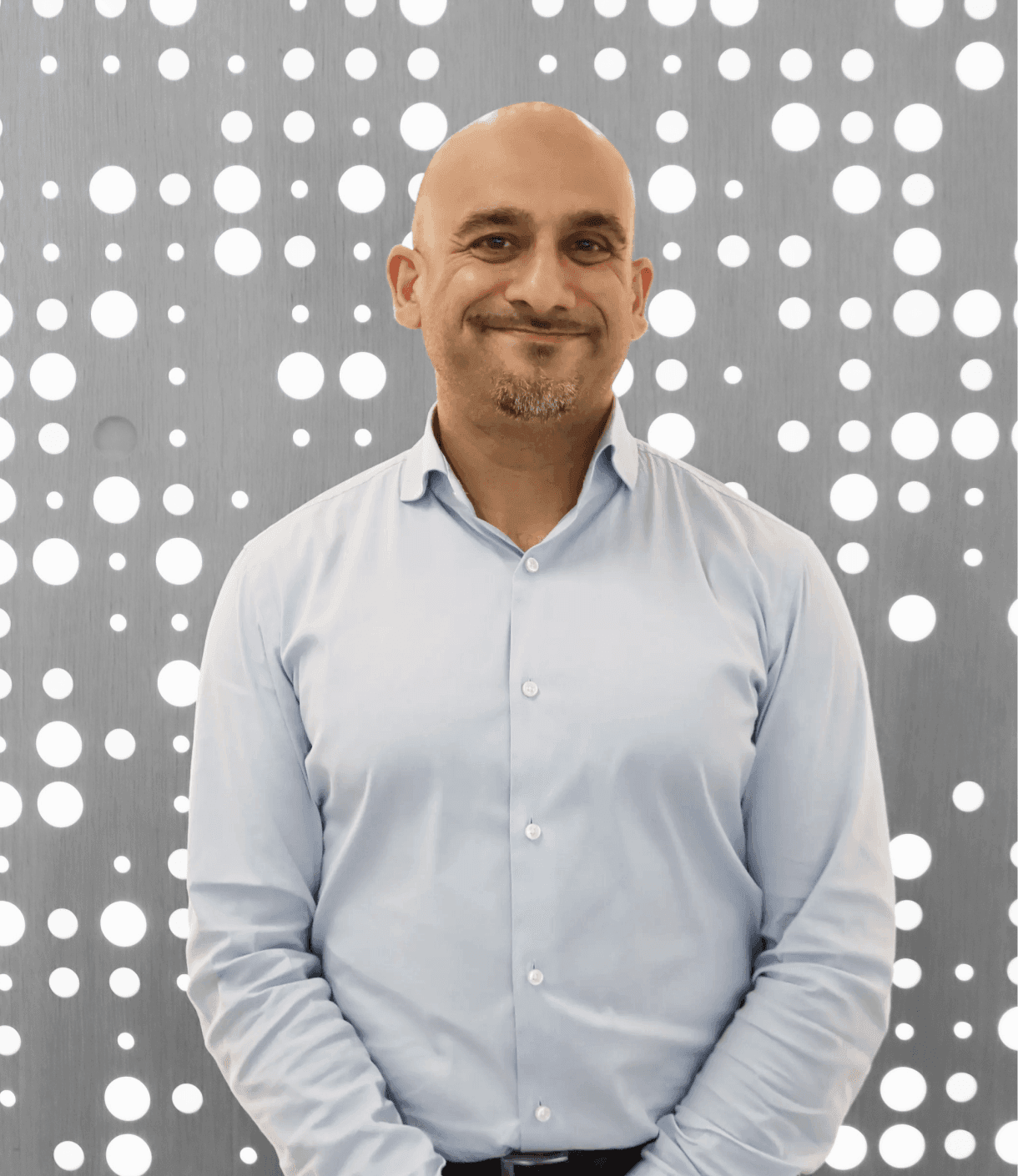
Ahad Rahim is Professor of Translational Neuroscience, Wellcome Chair, and Head of the Research Department of Pharmacology at UCL. He leads a research team focused on rare paediatric neurodegenerative disorders, more common adult neurological diseases, and the development of novel therapies.

His laboratory develops and conducts pre-clinical testing of advanced therapeutic products targeting the brain, including viral and non-viral gene therapies, AAV vector-mediated gene therapies, exosomes, GLP1-based therapies, neuroprotective peptide therapies, and small molecule drugs. Diseases studied in his laboratory include Niemann-Pick disease type C, Batten disease, Gaucher disease, PLA2G6-associated neurodegeneration and Parkinson's disease.

He works closely with clinicians and regulators to translate therapies from bench to bedside and is Co-Founder of the UCL GTx Neuro Gene Therapy Viral Vector Core Facility and Bloomsbury Genetic Therapies, which focuses on bringing gene therapies to patients.

quotequote

Today, children born with DHPR deficiency are sadly likely to experience long-term neurological complications. With the Bagri family, we share the ambition to change that.We are hugely grateful for their vital support in our joint mission to establish whether precise correction of relevant gene variants is the key to changing the course of this disease.

Professor Manju Kurian

quotequote
DNA illustration

A Landmark Partnership To
Advance Rare Disease Science
A Landmark Partnership
To Advance Rare
Disease Science

Our Hope

Rare disease research matters beyond a single condition. By studying the genetic changes that cause rare conditions, researchers can reveal important insights into human biology that can help shape new approaches across medicine.

Research also needs a clear translational path, so that strong science can be carefully developed and adapted towards possible patient benefit.

The Bagri CURE-DHPR Study strives to unite these ambitions in partnership with UCL.

UCL provides the research environment needed for a programme of this complexity. Its infrastructure brings together laboratory science, advanced therapeutics development and specialist paediatric clinical insight, helping early research to be developed with future translation in mind.
QuoteQuote

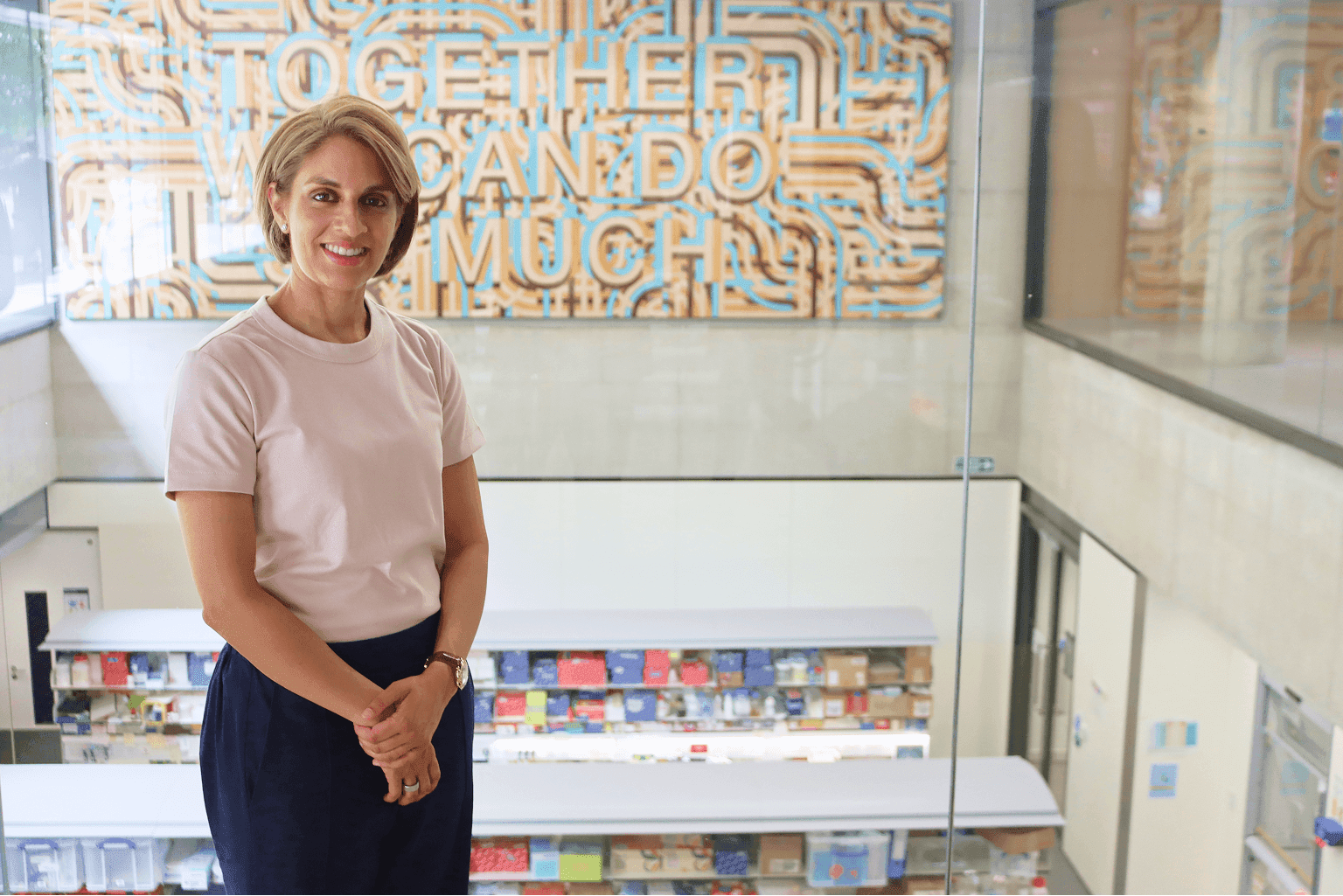
For families affected by rare disease, progress can never come quickly enough. We are proud to partner with UCL in advancing rigorous preclinical research into DHPR deficiency.

This work is an important step in building the scientific foundations needed to better understand the condition, explore future treatment possibilities, and contribute to knowledge that may benefit the wider rare disease community.

Amisha Bagri

QuoteQuote
Researcher looking into microscope

Through this partnership, we hope to create a future where rare diseases are better understood, better studied and ultimately more effectively treated, leading to millions of improved lives.